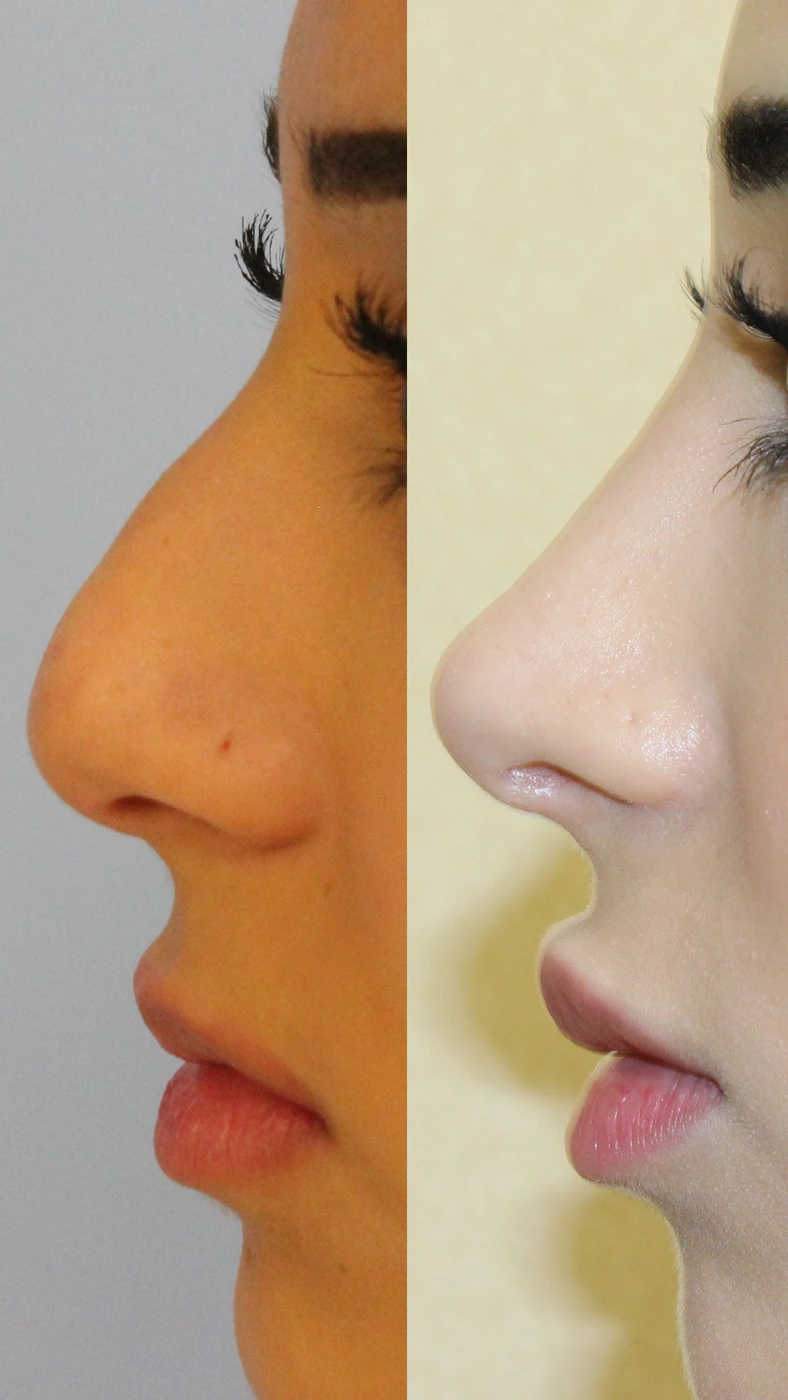
Discuss what you see
Note the details that catch your attention in a comparison, and discuss with your surgeon whether a similar change would suit your anatomy and goals.
Look at how the photographs were taken
Angle, distance, lighting and posture can change the impression. Similar photographic conditions make a change easier to understand. A difference in lighting should not be interpreted as a treatment effect.
Ask when the photographs were taken
Swelling, tissue appearance and scars may change during recovery. If the timing is not given, that is missing information worth asking about. Do not assume an image represents a final result.
A photograph cannot answer everything
An image alone cannot tell you about function, pain, sensation, complications or the patient’s satisfaction. These are separate questions from visible appearance.
Connect expectations to your own circumstances
Photographs can start a conversation; they are not a menu of outcomes to choose from. Your surgeon considers goals in the context of your anatomy, health and the procedure’s limits, without guaranteeing a match to another case.