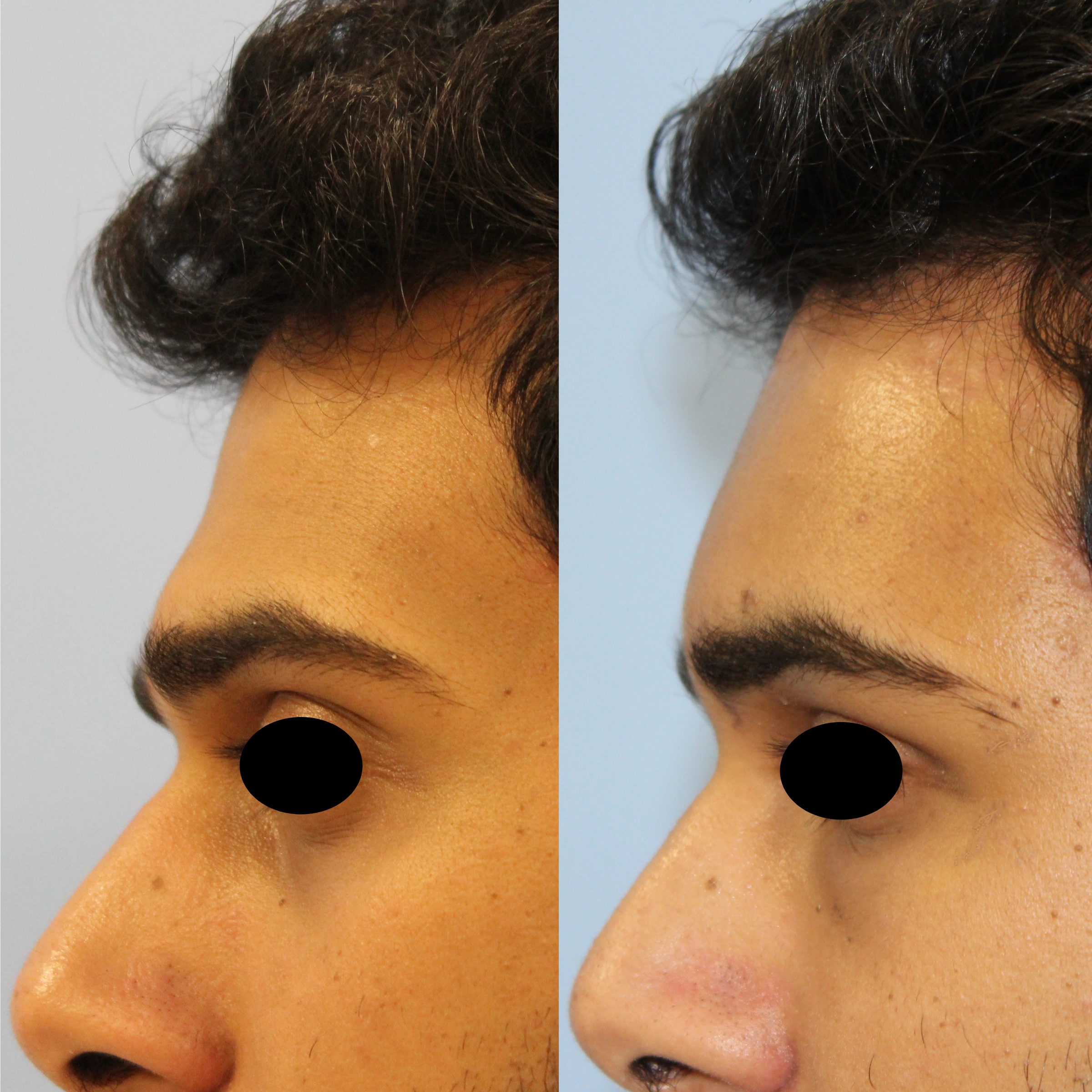
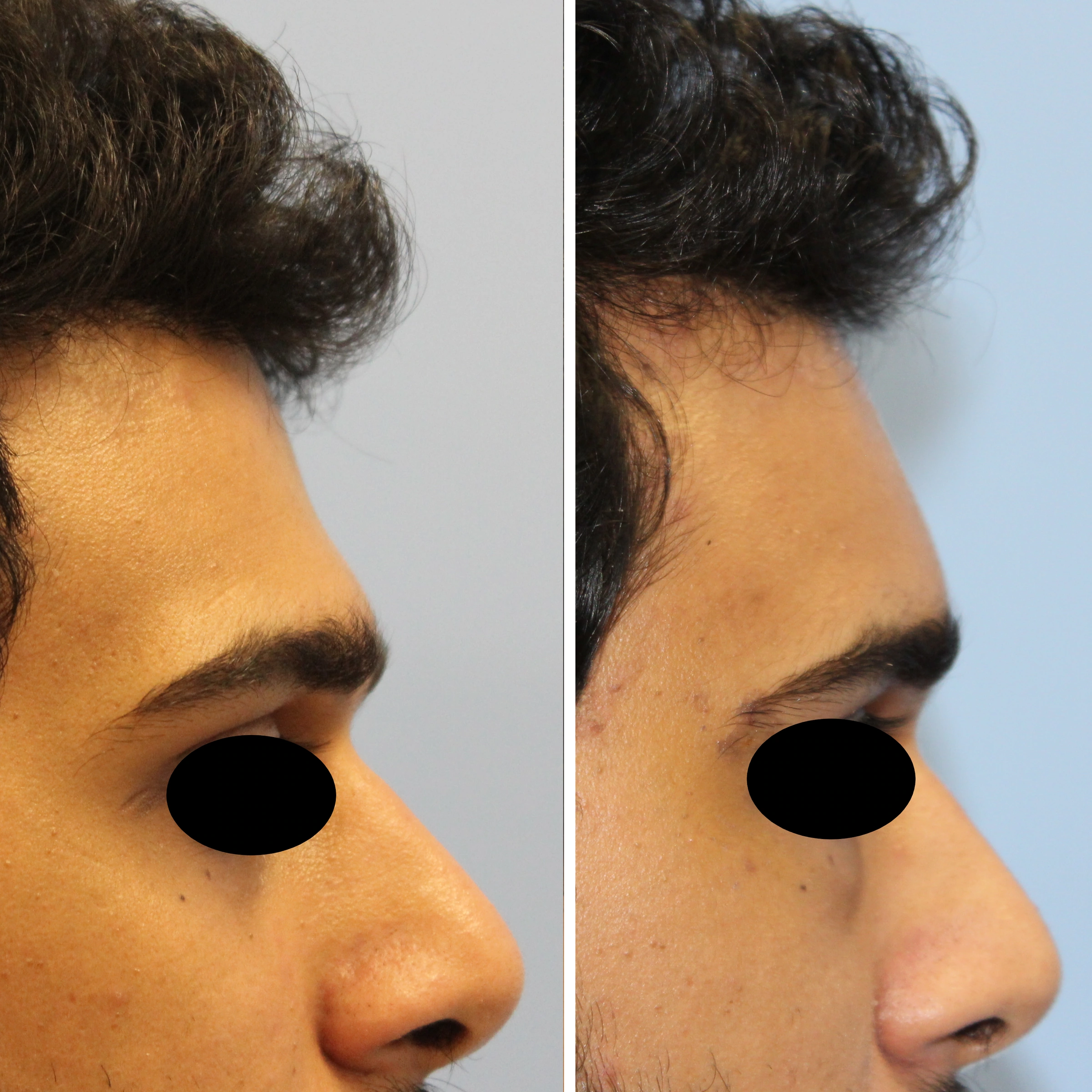
Face and lip procedures
Facial fat grafting
Start with the details that matter to you. Discuss them with Dr Haber to understand the options suited to your own features.
Explore the procedureDiscuss your own caseUNDERSTAND BEFORE YOU DECIDE
Discussing skin laxity and tissue changes with realistic expectations.
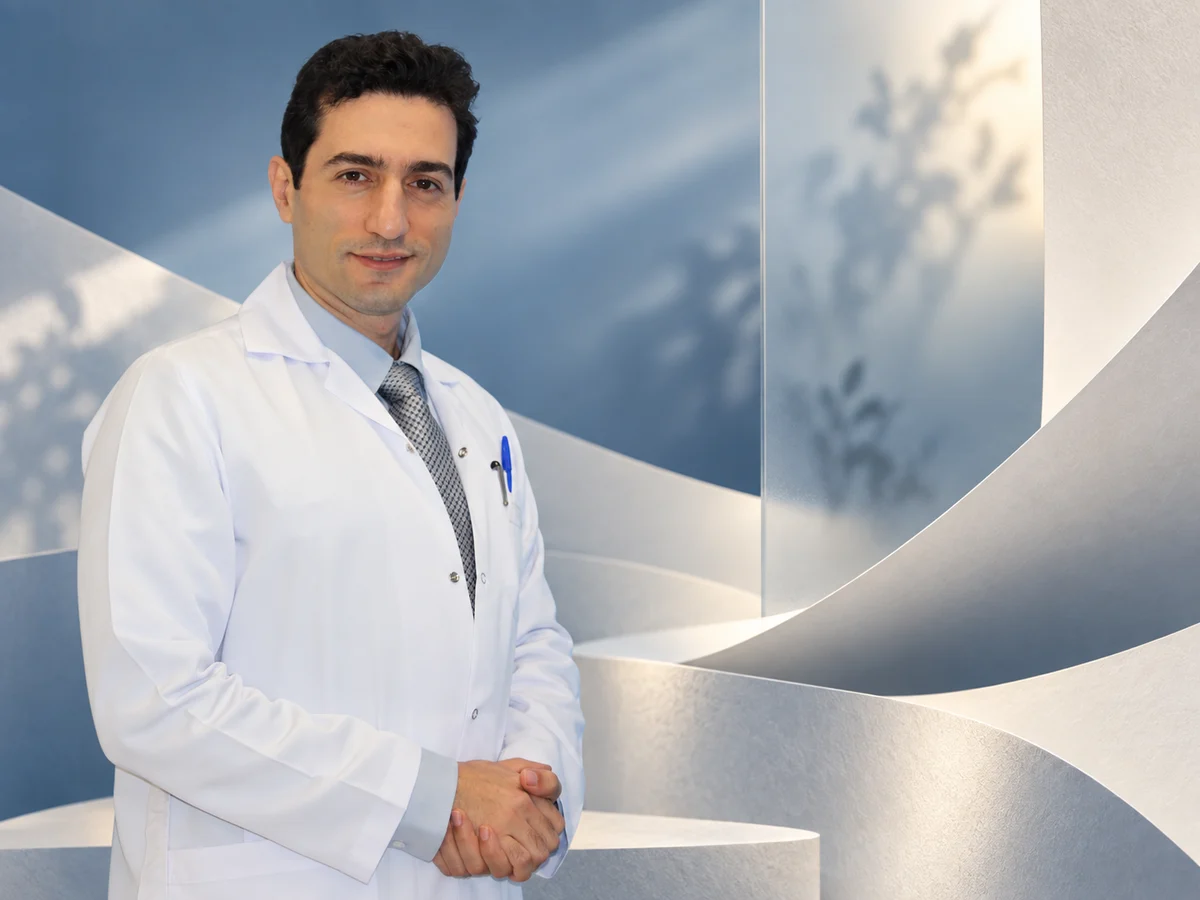
A CONVERSATION COMES FIRST
A face and neck lift addresses certain changes associated with tissue laxity. The appropriate approach depends on the area and skin condition. Surgery does not stop ageing, and non-surgical treatments do not provide equivalent results in every situation.
Your goals and individual assessment guide the plan.
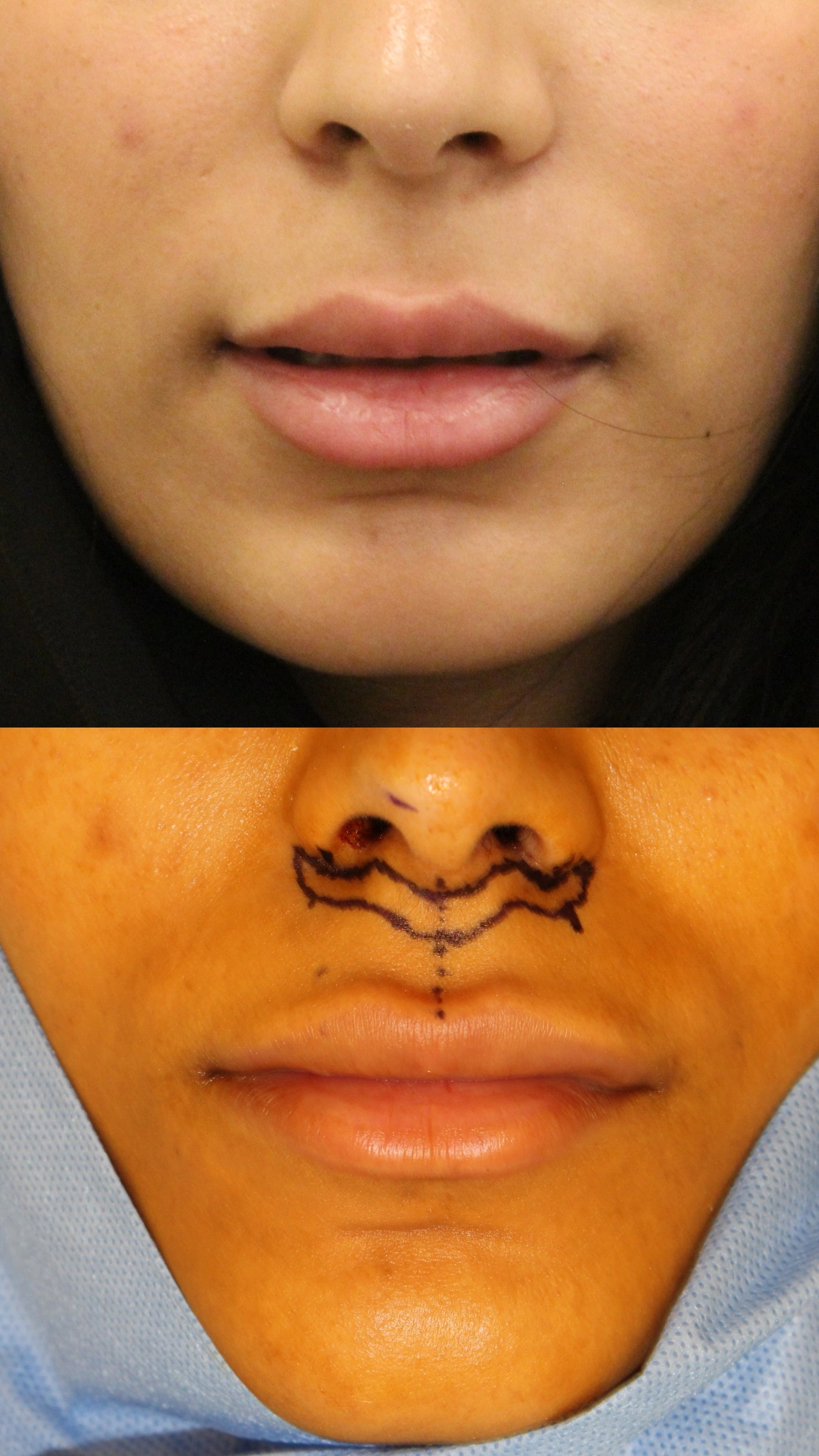
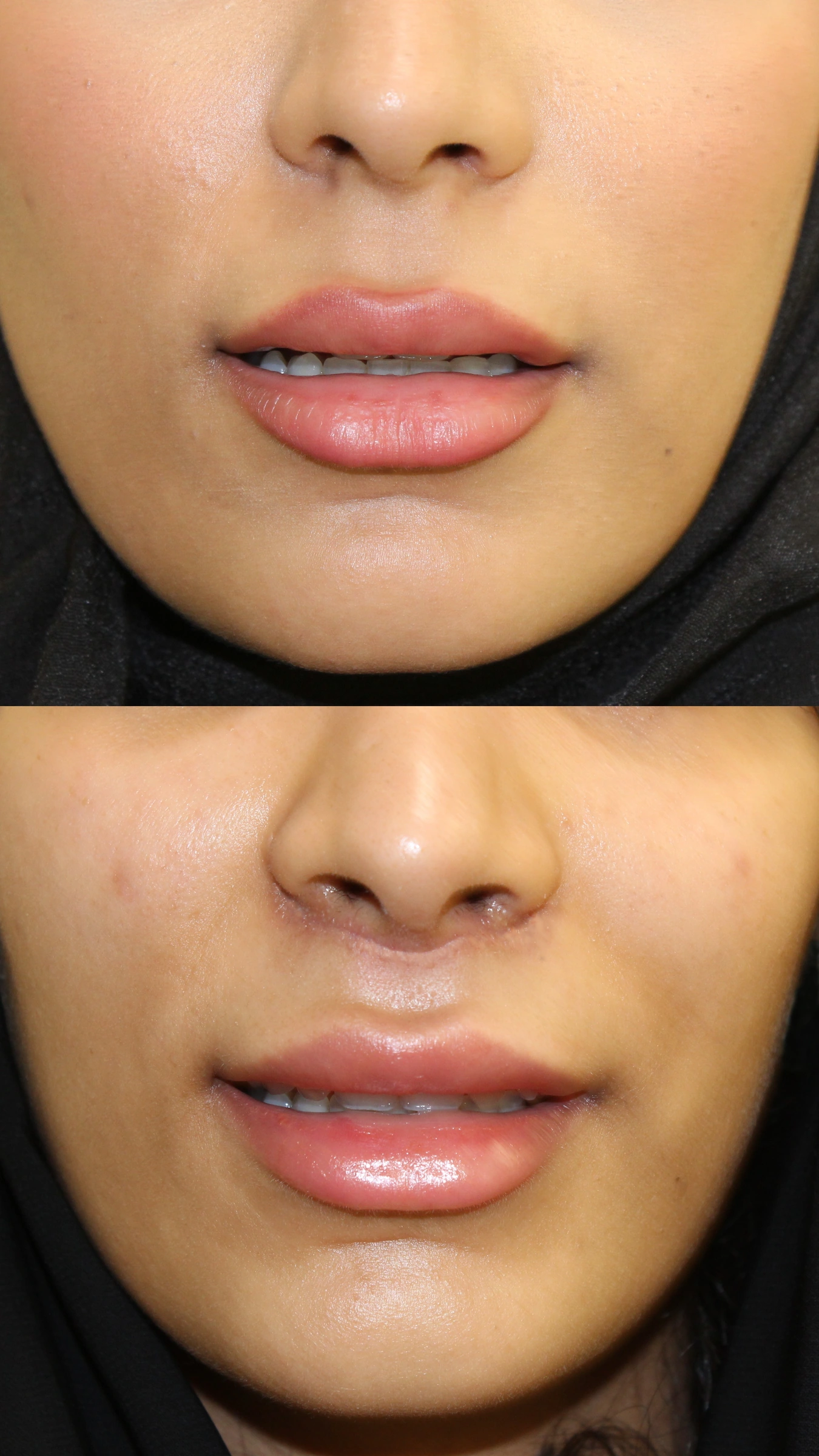
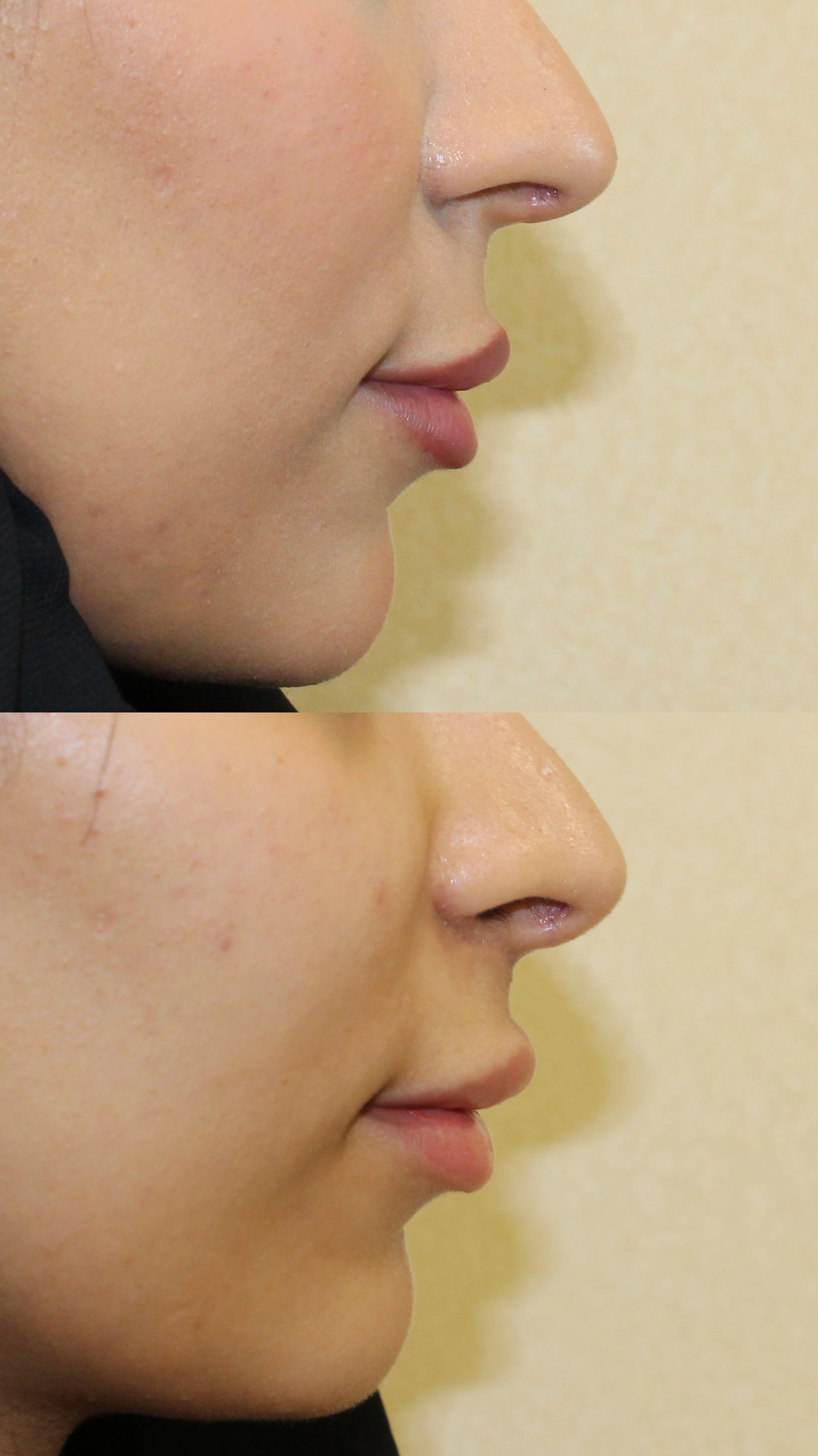
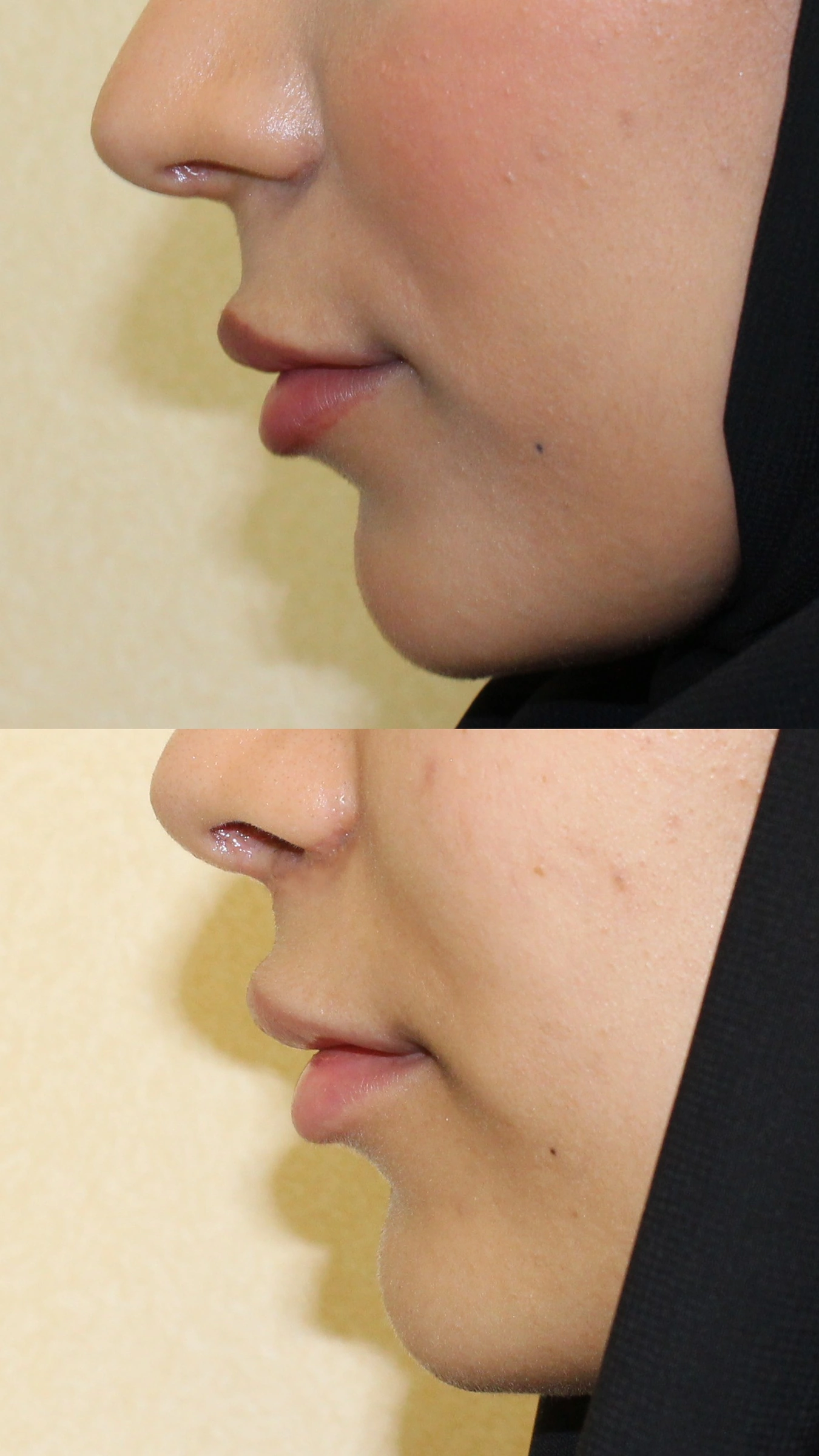
A separate procedure from a face or neck lift, shortening the distance between the base of the nose and upper lip by removing a portion of skin. Suitability depends on facial proportions, with incision placement and possible visible scarring discussed before surgery.
SELECTED RESULTS
Face and lip procedures
Start with the details that matter to you. Discuss them with Dr Haber to understand the options suited to your own features.
Explore the procedureDiscuss your own case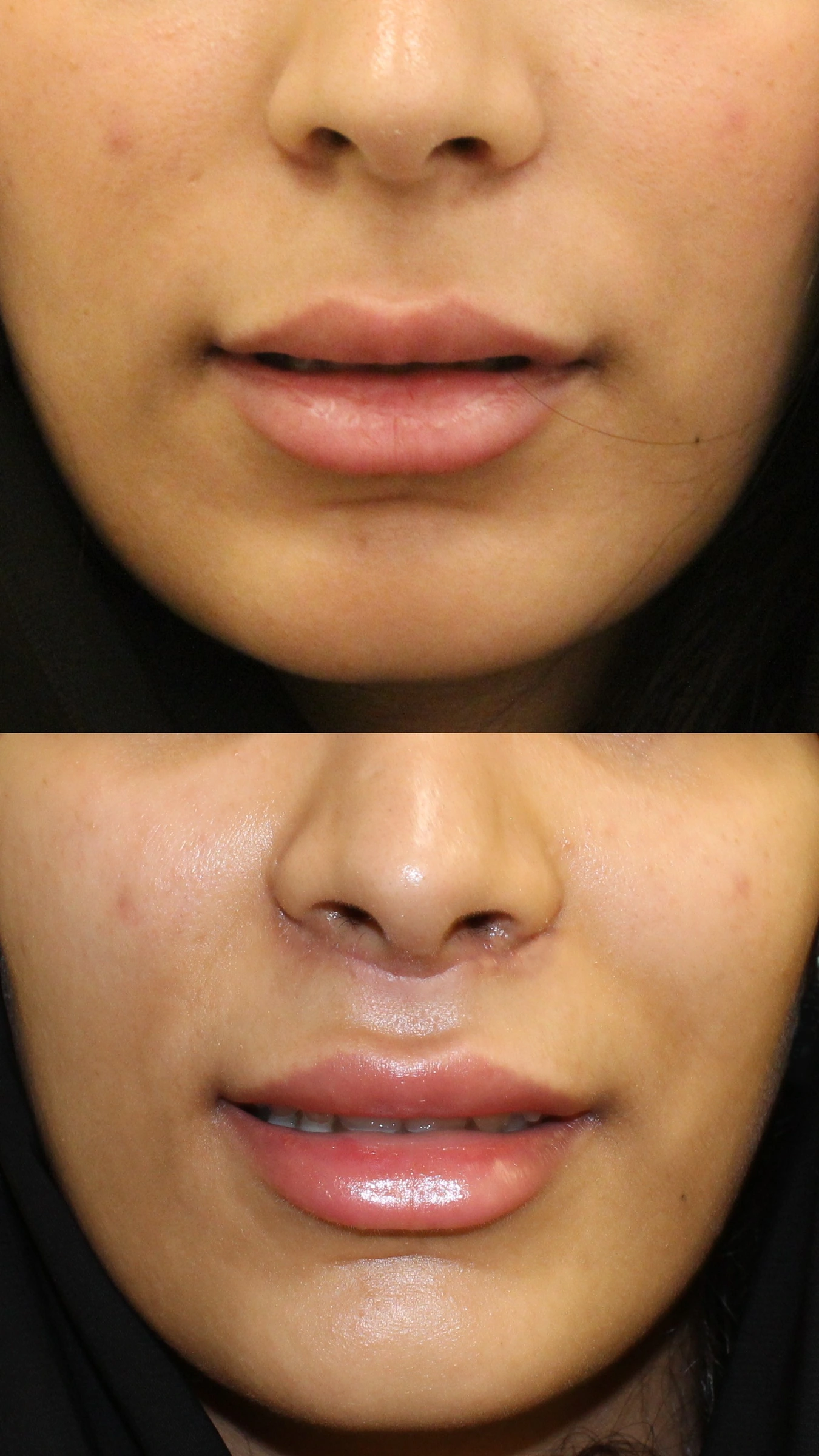
Early follow-up after the procedure.
Face and lip procedures
Start with the details that matter to you. Discuss them with Dr Haber to understand the options suited to your own features.
Explore the procedureDiscuss your own caseIndividual results vary.
How to read clinical photographsExamples for discussion, not a complete list. Risks depend on the procedure and your health. Discuss your individual risks and alternatives, including no treatment.
Recovery and follow-up
Dressings and temporary drains may be used; care depends on the operative plan.
Ask specifically about face washing, hair care and returning to activity rather than following another person’s routine.
This information helps you prepare for a consultation. It does not determine suitability or replace a medical examination.
You do not need to have made a decision before your consultation.
No. Tissues continue to change with age; consultation should clarify the limits of expected improvement.
No result is guaranteed. Anatomy and healing vary from person to person. Case photographs and simulations are not a promise of your outcome.
This depends on the procedure, your health and your work. Discuss expected downtime, restrictions, follow-up and when to seek urgent advice before scheduling treatment.
YOUR FIRST STEP
Understand your options in a consultation.